
What it teaches
The 1953 Candidates tournament in Switzerland brought together fifteen of the world's best players, including Smyslov (the winner), Keres, Reshevsky, Petrosian, Geller and Bronstein himself, in a double round-robin of 210 games. Bronstein, who had drawn a world championship match with Botvinnik just two years earlier, annotated every one of them.
What makes the book extraordinary is its approach. Instead of burying the games in variations, Bronstein explains the ideas: the plans, the strategic battles and the psychological struggle, in clear and often poetic prose. Many strong players consider it one of the finest instructional books ever written.
Who it's for
Club and tournament players from about 1500 up. The explanations are accessible, but the sheer number of games makes it a long-term companion rather than a quick read.
How to get the most from it
Play through a game or two a day with a board. Focus on Bronstein's explanations of plans, and try to identify the key strategic moment in each game before reading his notes.
Key takeaways
- Ideas and plans matter more than long variations.
- Elite games are full of strategic battles you can learn to follow.
- Explaining chess in words builds real understanding.
- Studying one great tournament reveals an entire era's ideas.
Read next
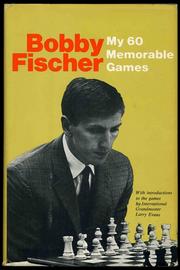
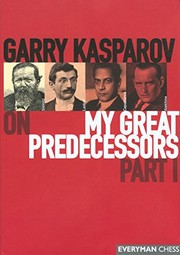
For another master's view of great games, read My 60 Memorable Games. For a broader historical sweep, see My Great Predecessors.