
What it teaches
Paul Morphy of New Orleans dominated the chess world in the late 1850s, defeating Europe's best players with a style built on rapid development, open lines and brilliant combinations, then abruptly retired from serious play. Philip W. Sergeant's classic collection gathers Morphy's games with annotations, including his match games, casual games and famous brilliancies such as the Opera Game.
Morphy's games are still recommended to beginners and club players because they show the fundamentals of open play, such as developing quickly, attacking an uncastled king and using open files, with unmatched clarity.
Who it's for
Players from about 1000 up who want to learn open, attacking chess from its greatest early master, and anyone interested in chess history.
How to get the most from it
Play through the games quickly at first, enjoying the combinations, then replay the key games slowly, noting how Morphy develops his pieces and opens lines before attacking.
Key takeaways
- Rapid development and open lines are the foundation of attacking play.
- An uncastled king in an open position is a target.
- Sacrifices work when your pieces are better developed.
- Classic games teach principles that still apply today.
Read next
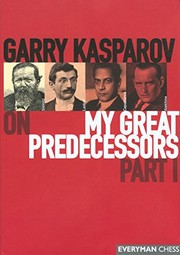
Replay the Opera Game on our Paul Morphy profile. Learn the attacking principles in The Art of Attack in Chess, and see Morphy's place in history in My Great Predecessors.