
What it teaches
John Nunn, one of the finest analysts and writers the game has produced, took the approach of Irving Chernev's Logical Chess and applied it to modern chess. He annotates a selection of contemporary master games in detail, explaining the reasoning behind the important moves and showing how modern players handle openings, middlegames and endgames.
Because the games are modern, the book shows the dynamic, concrete style that dominates chess today, including ideas that older classics don't cover. Nunn's explanations are precise and clear, and he highlights the general lessons each game teaches.
Who it's for
Club players from about 1500 to 2100 who have outgrown Logical Chess and want to understand modern master play.
How to get the most from it
Play through each game on a board and try to predict the key moves. Pay special attention to the lessons Nunn draws at the end of each game, and write them down in your own words. Over time those notes become a personal guide to modern chess thinking.
Key takeaways
- Modern chess is more dynamic and concrete than the classical style.
- Every strong move has a reason you can learn to see.
- General lessons from master games transfer to your own play.
- Annotated games teach judgment in a way principles alone cannot.
Read next
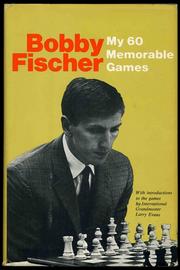
For the classic that inspired it, read Logical Chess: Move by Move. For more great games, try My 60 Memorable Games.