
What it teaches
International master John Watson, one of the most respected chess writers of his generation, set out to explain why the openings are played the way they are. Across four volumes he examines the major openings in terms of their central ideas, pawn structures, piece placement, typical plans and historical development, with many illustrative games.
The series is less about which moves to play than about understanding opening play as a whole, including how modern practice has changed traditional principles. Many strong players consider it the most thoughtful treatment of openings ever written.
Who it's for
Serious club and tournament players from about 1500 upward who want to understand openings deeply. Volume 1, which opens with the general principles, is the natural place to start.
How to get the most from it
Read the volumes that match the openings you play, and use the explanations to guide your own repertoire choices. Take notes on the recurring ideas; they transfer across many openings. Playing through the illustrative games on a board, rather than on the page, makes the ideas far easier to remember.
Key takeaways
- Opening moves make sense once you understand their underlying ideas.
- Modern practice has changed many traditional opening principles.
- Pawn structures link the opening to the middlegame.
- Deep understanding lets you handle unfamiliar positions confidently.
Read next
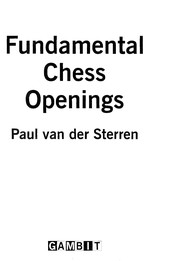
For a single-volume overview, read Fundamental Chess Openings. To connect openings with middlegame plans, see Pawn Structure Chess.