
What it teaches
Dutch grandmaster Paul van der Sterren wrote the book many players wish they'd had when they started choosing openings. Fundamental Chess Openings covers every major opening, from the Ruy Lopez and Sicilian to the Queen's Gambit, King's Indian and English, and explains each through its ideas: what each side is trying to do, the typical plans and pawn structures, and how the opening developed historically.
Variations are included, but they support the explanations rather than replacing them, so the book reads more like a guided tour than a reference table.
Who it's for
Improving players from about 1200 to 1900 who want to understand the openings before choosing a repertoire, and anyone who wants a single readable overview of the whole field.
How to get the most from it
Read the chapters on openings you play or are considering, then explore those openings in our openings library to see them in real games and videos. If you're choosing a new repertoire, read two or three candidate chapters side by side and pick the opening whose plans you find most natural.
Key takeaways
- Understanding an opening's ideas matters more than memorizing its moves.
- Every opening leads to typical structures and plans.
- History explains why openings are played the way they are.
- Choose openings whose middlegames suit your style.
Read next
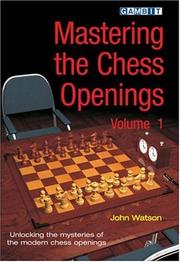
For deeper explanation, read Mastering the Chess Openings. When you need a reference of the main lines, see Modern Chess Openings.