What it teaches
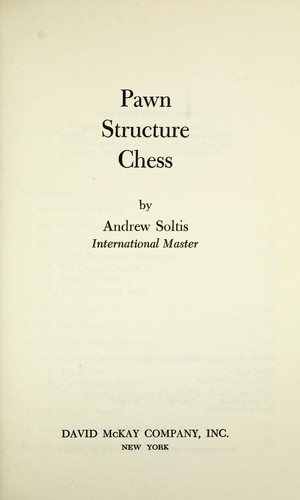
Grandmaster Andrew Soltis starts from a powerful observation: the pawn structure that comes out of your opening largely decides which plans make sense in the middlegame. So instead of organizing strategy by abstract principles, he organizes it by structure. Each chapter takes a family of positions, such as isolated queen's pawn structures, the Carlsbad structure from the Queen's Gambit, Sicilian centers and various locked centers, and explains the typical plans, pawn breaks and piece placements for both sides.
The result connects your openings to the rest of the game: you stop memorizing moves and start understanding where they lead.
Who it's for
Club players from about 1400 to 2100, especially those building an opening repertoire who want to know what to do once the book moves run out.
How to get the most from it
Start with the chapters that match your own openings. Play through the model games, then compare them with your recent games in the same structure.
Key takeaways
- The pawn structure you get from the opening sets the plans for the middlegame.
- Each structure has typical pawn breaks; knowing them tells you where to play.
- Piece placement follows from the pawns, not the other way round.
- Studying structures makes opening moves memorable, because they make sense.
Read next
For a modern, broader take on the same approach, read Chess Structures: A Grandmaster Guide. Explore specific openings in our openings library.