
What it teaches
When sportswriter Fred Waitzkin discovered that his young son Josh had a gift for chess, he followed him into a world he barely understood: the speed-chess hustlers of Washington Square Park, intensive lessons with coach Bruce Pandolfini, and the high-pressure world of scholastic tournaments. Searching for Bobby Fischer is his honest, often funny account of those years, and of his own struggle to balance pride, ambition and his son's happiness.
The book, published in 1988, inspired the 1993 film of the same name and remains one of the best portraits of competitive chess and of parenting a talented child.
Who it's for
Everyone, especially parents of young chess players and anyone who loved the film. No chess knowledge is needed.
How to get the most from it
Read it as a story first. If you're a chess parent, the chapters about pressure, competition and keeping the game fun are worth rereading.
Key takeaways
- Nurturing talent requires balancing ambition with a child's happiness.
- Different chess cultures, from the park to the tournament hall, teach different lessons.
- Great coaching combines skill with care for the student.
- Competitive pressure can both motivate and harm young players.
Read next
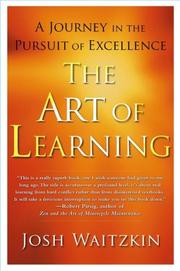
Read Josh Waitzkin's own perspective in The Art of Learning, and the story of the player the title refers to in Endgame: Bobby Fischer's Remarkable Rise and Fall.