
What it teaches
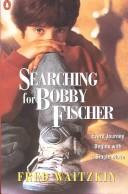
Josh Waitzkin was the child chess prodigy at the heart of Searching for Bobby Fischer. As an adult he took up the martial art of Tai Chi Push Hands and became a world champion in that too. In The Art of Learning he explains the principles that let him reach the top in two very different fields: embracing losses as learning opportunities, building deep fundamentals by "making smaller circles," staying calm and present under pressure, and managing emotions during competition.
Chess stories and martial-arts stories run side by side, showing how the same principles apply to any demanding skill.
Who it's for
Anyone interested in learning, performance and mastery, whether in chess, sports, business or the arts. Chess players will especially enjoy the insight into Waitzkin's development.
How to get the most from it
Read one chapter at a time and apply its main idea to your own training. For chess players, the chapters on handling losses and competitive pressure are especially valuable.
Key takeaways
- Losses are valuable investments in future growth.
- Deep mastery of fundamentals beats broad, shallow knowledge.
- Staying present and calm under pressure is a trainable skill.
- The principles of learning transfer across different disciplines.
Read next
Read the story of Waitzkin's chess childhood in Searching for Bobby Fischer, and more on the psychology of chess in The Seven Deadly Chess Sins.