
What it teaches
Garry Kasparov was world champion from 1985 to 2000 and is widely regarded as one of the greatest players in history. In How Life Imitates Chess he uses his experience at the board to explore how people make decisions: the balance between strategy and tactics, the role of intuition, how to prepare, how to handle pressure and how to learn from mistakes.
Each lesson is illustrated with stories from his career, including his rivalry with Anatoly Karpov, and applied to business, politics and everyday life.
Who it's for
Readers interested in decision-making, leadership and strategy, whether or not they play chess. Chess fans will enjoy the stories from Kasparov's career.
How to get the most from it
Read it with a notebook and pick one idea from each chapter to apply to your own work or chess study. Chess players can go further: after your next few games, ask whether your mistakes came from poor strategy, missed tactics, weak preparation or nerves, the same questions Kasparov asks of business and life decisions.
Key takeaways
- Good decisions balance long-term strategy with concrete tactics.
- Intuition is built through experience and preparation.
- Honest analysis of mistakes drives improvement.
- Lessons from chess apply to business and everyday life.
Read next
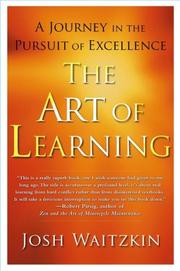
For more from Kasparov, read Deep Thinking and My Great Predecessors. For another take on learning and performance, try The Art of Learning.