What it teaches
Frank Brady knew Bobby Fischer from his early years and wrote about him for decades. Endgame is his full account of Fischer's life: the Brooklyn childhood and prodigious rise, the 1972 World Championship match in Reykjavik against Boris Spassky that made him a global celebrity at the height of the Cold War, and the strange, isolated decades that followed, ending with his exile and death in Iceland in 2008.
Brady writes with sympathy and candor, drawing on interviews and documents to explain both Fischer's genius and the troubled behavior that alienated so many people. It reads like a novel but is carefully researched.
Who it's for
Everyone: chess players, readers of biography and anyone fascinated by genius and its costs. No chess knowledge is needed.
How to get the most from it
Read it alongside Fischer's own games. When the story reaches a famous game or match, play it through, for example his game 6 against Spassky in 1972, which you can replay on our Bobby Fischer profile.
Key takeaways
- Fischer's 1972 victory transformed chess's place in popular culture.
- Extraordinary talent and intense dedication drove his rise.
- Genius and personal struggles can go hand in hand.
- Context from history deepens our understanding of great games.
Read next
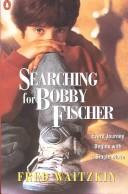
Study Fischer's own annotations in My 60 Memorable Games, and read the story of a child growing up in Fischer's shadow in Searching for Bobby Fischer.