
What it teaches
Jeremy Silman's big idea is that every position contains imbalances, the differences between the two sides, and that good plans come from understanding and exploiting them. Minor pieces (bishops against knights), pawn structure, space, material, control of key files and squares, development and the initiative are each explained in turn, and then combined into a practical thinking method you can apply at the board.
The book has been revised several times since the first edition in the 1980s. The fourth edition was substantially rewritten, with expanded explanations and many test positions, and is the one most coaches recommend today.
Who it's for
Improving club players from about 1400 to 2000 who calculate reasonably well but often don't know what to do when there's no tactic. It is one of the most recommended strategy books for adult improvers.
How to get the most from it
Use the imbalance checklist in your own slow games: at every quiet moment, list the imbalances for both sides and choose a plan based on them. Work through the test positions honestly before reading the answers.
Key takeaways
- Every position has imbalances; your plan should grow out of them.
- Bishops and knights want different kinds of positions, so steer toward the one that suits yours.
- Space, pawn structure and control of key squares are long-term assets.
- When there's no tactic, don't drift: find the imbalance and play to it.
Read next
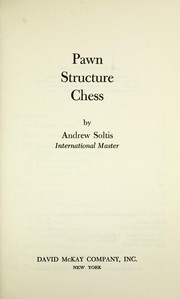
See the method applied to real amateurs' thinking in The Amateur's Mind, and go deeper into structures with Pawn Structure Chess.