
What it teaches
Charles Hertan noticed that human players reject strong moves because they look strange: a queen sacrifice onto a defended square, a quiet move in the middle of a fight, a capture that seems to lose material. Engines have no such prejudice. His answer is to train "computer eyes," the habit of looking at every forcing move in a position, checks, captures and threats, before trusting your instincts.
The book is packed with astonishing examples, many from master games, where the winning move is exactly the one most players would never consider. Each chapter explores a different kind of forcing play, and the positions are both entertaining and sobering.
Who it's for
Club players from about 1300 to 2000 who know their tactical motifs but still miss wins in real games. It is also excellent for anyone who over-relies on "general principles."
How to get the most from it
Try each example before reading the solution, and deliberately list every check and capture first. Then carry the habit into your own games: at every critical moment, scan the forcing moves for both sides.
Key takeaways
- Always look at every check, capture and threat, for both sides.
- The strongest move often looks ugly or impossible at first glance.
- Engines find wins because they have no prejudice against strange moves.
- Forcing moves limit your opponent's options and make calculation easier.
Read next
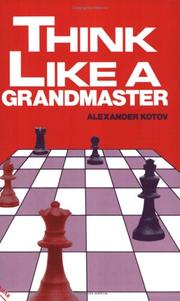
Deepen calculation with Think Like a Grandmaster and learn to attack the king with The Art of Attack in Chess.