What it teaches
Max Euwe was world champion from 1935 to 1937, later president of FIDE, and a mathematics teacher by profession, and this book shows all three sides of him. It teaches a method: look at the position's key elements, such as material, king safety, pawn structure, open lines and piece activity, decide which ones matter most, and form a plan that fits them. Euwe works through a series of examples and games that show evaluation and planning in action.
The writing is calm and logical, with none of Nimzowitsch's showmanship, which many readers find easier to follow.
Who it's for
Club players from about 1300 to 1800 who want a structured way to decide what to do in quiet positions. It is short, making it a good companion to longer strategy books.
How to get the most from it
Practice the method on your own games: pick a quiet position, list the elements, choose the most important, and write a plan before checking with an engine.
Key takeaways
- A plan starts with an honest evaluation of the position.
- Not every element matters equally; decide which ones drive the game.
- A modest, correct plan beats an ambitious, wrong one.
- Planning and calculation work together, not in competition.
Read next
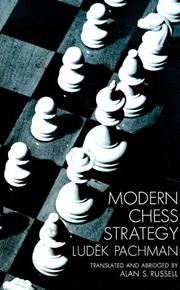
For a modern version of this approach, read How to Reassess Your Chess. For a broader classical textbook, try Modern Chess Strategy.