
What it teaches
Jacob Aagaard, now one of the best-known chess trainers and authors, wrote Excelling at Chess early in his career to share what he had learned about becoming a strong player. The book questions some familiar advice, including the idea that general principles alone will guide you, and argues that concrete thinking, honest self-assessment and understanding how you personally make decisions matter far more.
Through examples from his own games and others', Aagaard explores practical topics such as finding the right plan, handling critical positions and learning from your mistakes.
Who it's for
Ambitious players from about 1700 up who are looking for new ideas about training and thinking. It is short and readable, but the ideas take time to absorb.
How to get the most from it
Read it once quickly for the big ideas, then again slowly with a board. Afterward, adjust one habit in your study routine based on what you learned. A good test: pick three recent losses and ask whether a general principle or a concrete calculation would have saved each one. The answer usually tells you exactly what to train next.
Key takeaways
- Concrete analysis beats vague general principles in critical positions.
- Understanding your own thinking process is a powerful training tool.
- Honest self-assessment reveals what you really need to study.
- Good players keep questioning received wisdom.
Read next
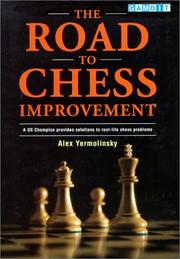
Continue with The Road to Chess Improvement and Positional Decision Making in Chess, which Aagaard co-wrote with Boris Gelfand.