
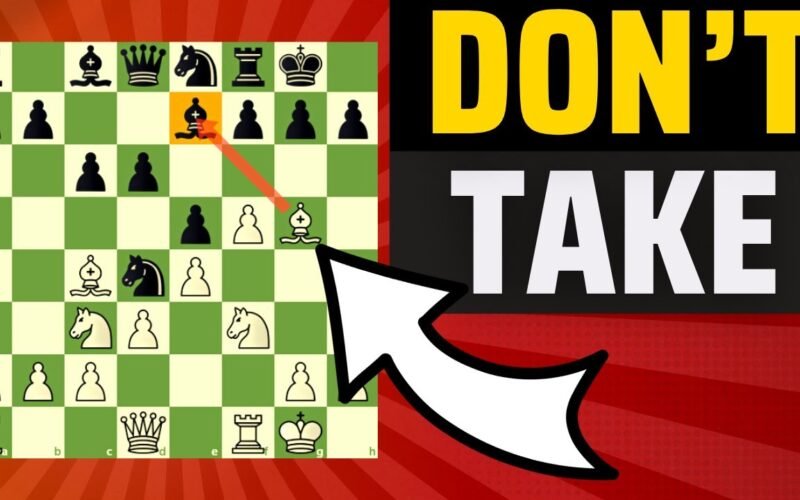
👉🏽 Say hello to 1500 ELO 📈
https://chessvibescourses.thinkific.com/courses/from-1000-to-1500
😎 Play Chess Here:
https://www.chess.com/membership?ref_id=5885046
👚 Merch: https://Chessvibes.shop
Timestamps
0:00 – Principle 1 When low on time, keep a few “fallback” moves in your mind.
00:35 – Principle 2 Before blocking a bishop, make sure you have a development plan
01:06 – Principle 3 When you don’t know what to do, try to play “safe” moves
01:46 – Principle 4 Look for ways to create outposts for your knights
02:50 – Principle 5 Against a solid position, be patient!
03:50 – Principle 6 Look to attack multiple areas of the board at the same time.
04:38 – Principle 7 Look for opportunities to blockade open files with knights or bishops
05:18 – Principle 8 To take advantages of weaknesses on your opponent’s king, leave the queens on the board
05:48 – Principle 9 To get past 1200, you have to eliminate the blunders
06:38 – Principle 10 Against a passive opponent, be content with a small advantage
07:04 – Principle 11 If your opponent is cramped, DON’T trade pieces
08:01 – Principle 12 When low on time, you don’t have to calculate every single line
08:49 – Principle 13 What happens when an opening trap doesn’t work?
09:38 – Principle 14 Don’t forget about ideas you saw earlier in the game
10:47 – Principle 15 The value of learning openings
11:43 – Principle 16 A very tricky tactic you should remember
13:41 – Principle 17 Try to pin a piece and then attack it with a pawn
14:27 – Principle 18 When super low on time, it’s okay to sacrifice pieces to simplify the game
14:56 – Principle 19 If blocking a bishop, make sure you have a plan for it’s development
15:31 – Principle 20 Against a4, usually the best reply is b4
16:15 – Principle 21 The difference between 1300 and 1800
17:47 – Principle 22 Try to gain tempos with your pawns attacking knights or bishops.
18:39 – Principle 23 It’s okay to sacrifice pawns early if you’re getting fast development in return
19:12 – Principle 24 Look for discovered attack tactics!
20:01 – Principle 25 Sacrifice pawns to block your opponent’s bishop when possible
20:30 – Principle 26 The idea behind the Cozio Defense
21:09 – Principle 27 When unsure, play a simple basic move
21:39 – Principle 28 Use your pawns to blockade your opponent’s pieces
22:48 – Principle 29 Against strong players, make the most of each opportunity
23:49 – Principle 30 Against the King’s Gambit, just play d5!
24:57 – Principle 31 Don’t trade and allow your opponent to develop for free
25:47 – Principle 32 Sometimes active pieces are more valuable than free pawns
26:36 – Principle 33 As you get close to the endgame, free pawns become more valuable
27:37 – Principle 34 You must be flexible in the opening and adapt to your opponent’s moves
28:27 – Principle 35 10 minute rapid games are long enough that you can stop and think!
Links are affiliate links and help support the Chess Vibes channel via a commission.